Denver, Colorado, USA Drone Aerial Skyline.

Twin Lakes, Colorado

Solar in Twin Lakes: A Bright Choice for Energy Savings

Twin Lakes, Colorado, is famous for its breathtaking alpine views, but it’s also a hub for outdoor adventures and the gateway to some of the state’s best hiking, fishing, and boating. With an average of 246 days of sunshine a year, Twin Lakes is an ideal location for homeowners to tap into solar energy.

Home with solar panels

How Much Can You Save With Solar?

If you’re looking to cut down on your energy bills or reduce your carbon footprint, going solar in Twin Lakes is a smart investment. At Smart Wave Solar, we’ve helped many locals make the switch and can help you do the same.

Older couple reviewing paperwork at a table

Slash Your Energy Costs with Solar in Twin Lakes

Colorado residents, brace yourselves—electric bills are climbing fast. From 2019 to 2023, the average monthly residential bill for 600 kilowatt-hours of electricity shot up by 38%, landing at $92. And there’s no sign of it slowing down. So, what’s your plan to tackle these rising costs?

Here’s a solution: Go solar in Twin Lakes. A solar energy system could save $25,000 to $33,000 over the next 25 years. That’s a serious amount of savings going right back into your pocket!

While the upfront cost of solar might seem high, you’ve got options. The federal solar tax credit slashes 30% off the total installation price, and there are state incentives that sweeten the deal. Over time, your system will pay for itself.

Don’t forget about net metering! This system lets you return any extra energy your panels generate to the grid for credits that reduce your future bills. With the sunshine Twin Lakes gets year-round, you’ll produce more energy than you need most days.

You Could Boost Your Home’s Value

While adding solar saves money on energy bills, it can also boost your home’s market value. More and more buyers are hunting for homes with sustainable features, and solar panels top that list.

According to Zillow, homes with solar panels sell for about 4% more on average. Homes equipped with solar panels also sell faster than those without by 20%.

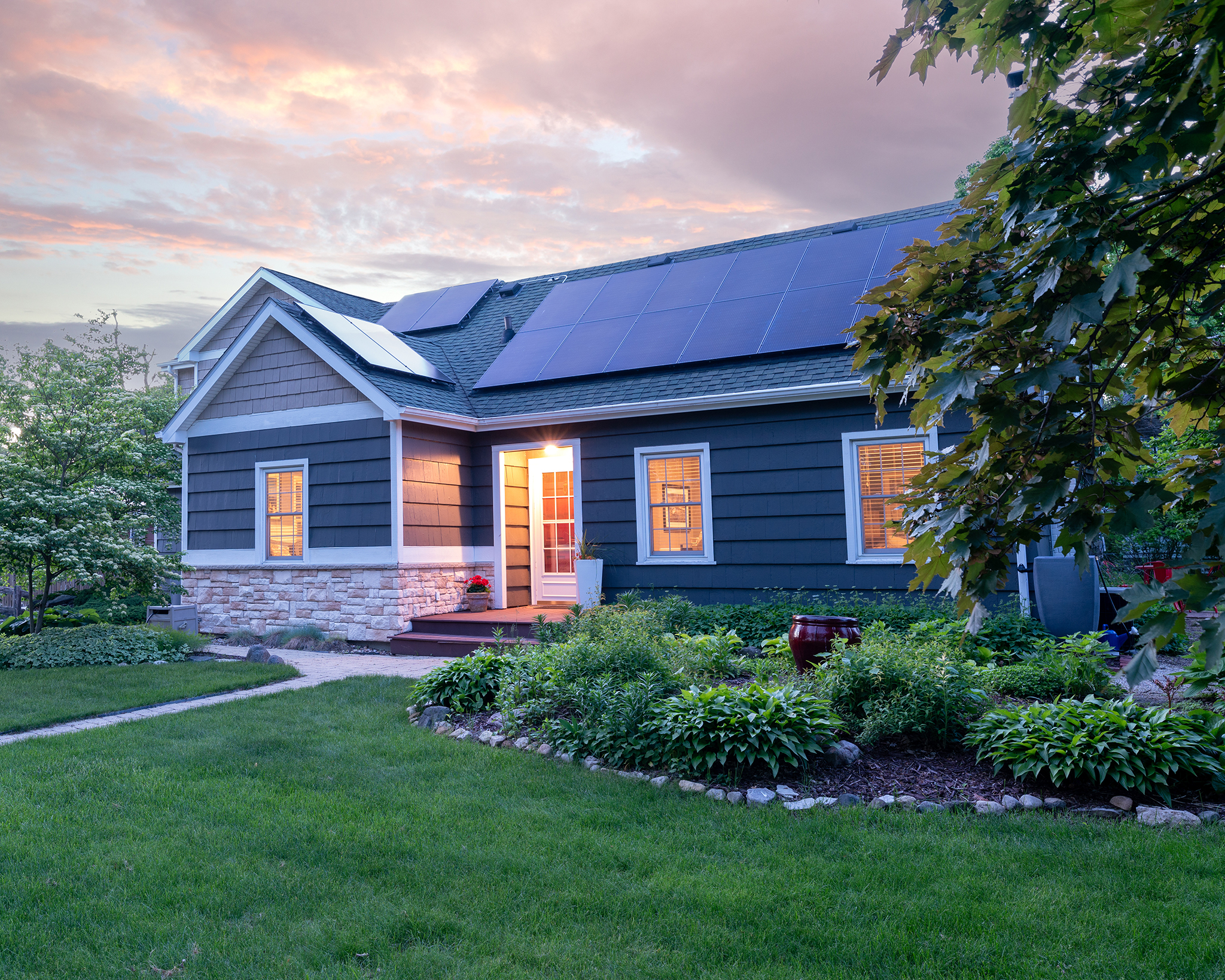
Home with its lights on at dusk

Consider a Backup Battery for Extra Security

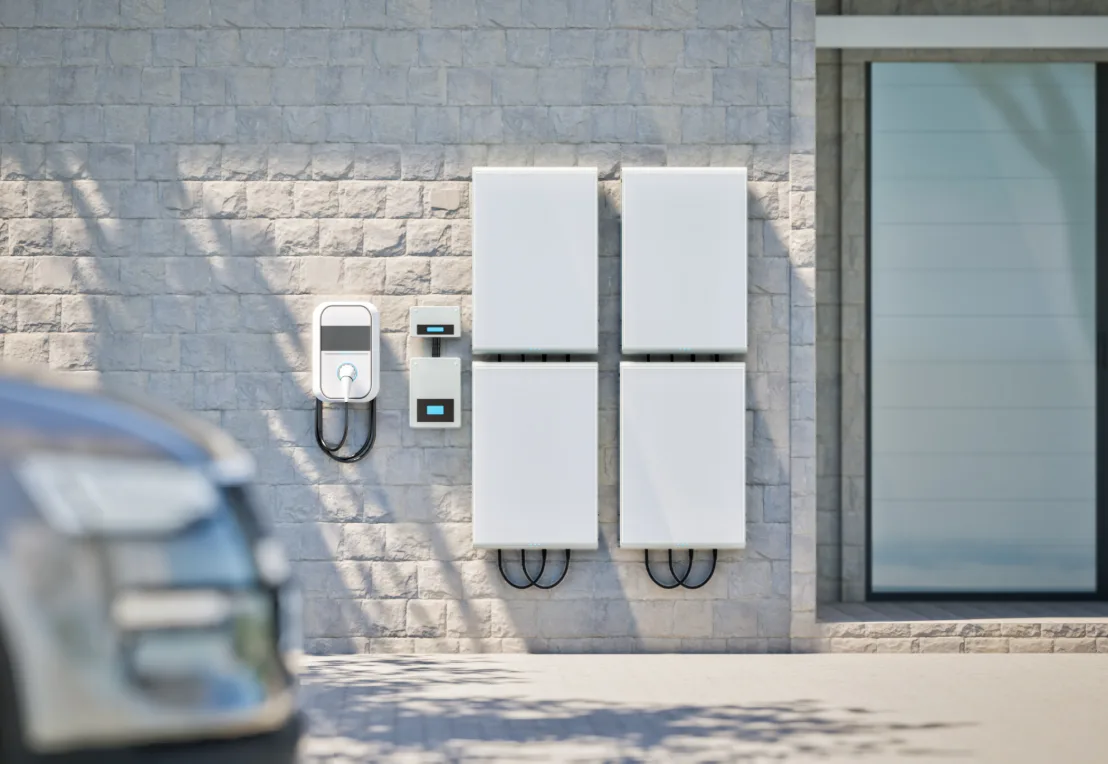
We all know Colorado weather can be unpredictable. That’s why having a solar backup battery is a great idea for Twin Lakes homeowners. On cloudy days or during power outages, a backup battery stores extra energy from your panels, keeping your home powered no matter what.

Lithium iron phosphate (LFP) backup batteries are a top choice for energy storage, and for good reason—they can last 15 years or more, giving you long-lasting, dependable power. You can tap into that stored energy during peak pricing hours, helping you shave even more off your utility bills.

Two home battery units mounted on an exterior brick wall

Emergency Backup System: Stay Prepared

An emergency backup system gives you even more peace of mind. You’ll be covered whether you experience a major storm or just a random outage. This system keeps your home running smoothly, protecting your food, appliances, and critical medical devices.

Unlike traditional generators, a solar emergency backup system is quiet, eco-friendly, and ready to keep you powered for days if needed.

Cities We Serve in Colorado

Frequently Asked Questions

Have more questions? Find answers to more common questions about solar, batteries, installation, and more on our FAQ page.

View All FAQs

How do I know if my home is a good fit for solar?

Our team evaluates factors like roof condition, sun exposure, energy usage, and long-term goals to determine whether solar makes sense for your property. Every recommendation is tailored to your property and energy needs.

How much can I save with solar?

Savings vary based on your energy usage, system size, and local utility rates, but many homeowners see meaningful long-term reductions in electricity costs after switching to solar.

Will I still have power during an outage?

Standard solar systems typically shut off during outages for safety reasons and building code requirements. Adding battery storage can help keep essential appliances and devices powered when the grid goes down.