
What’s Ahead for Your Home
Solar Installation, Step by Step
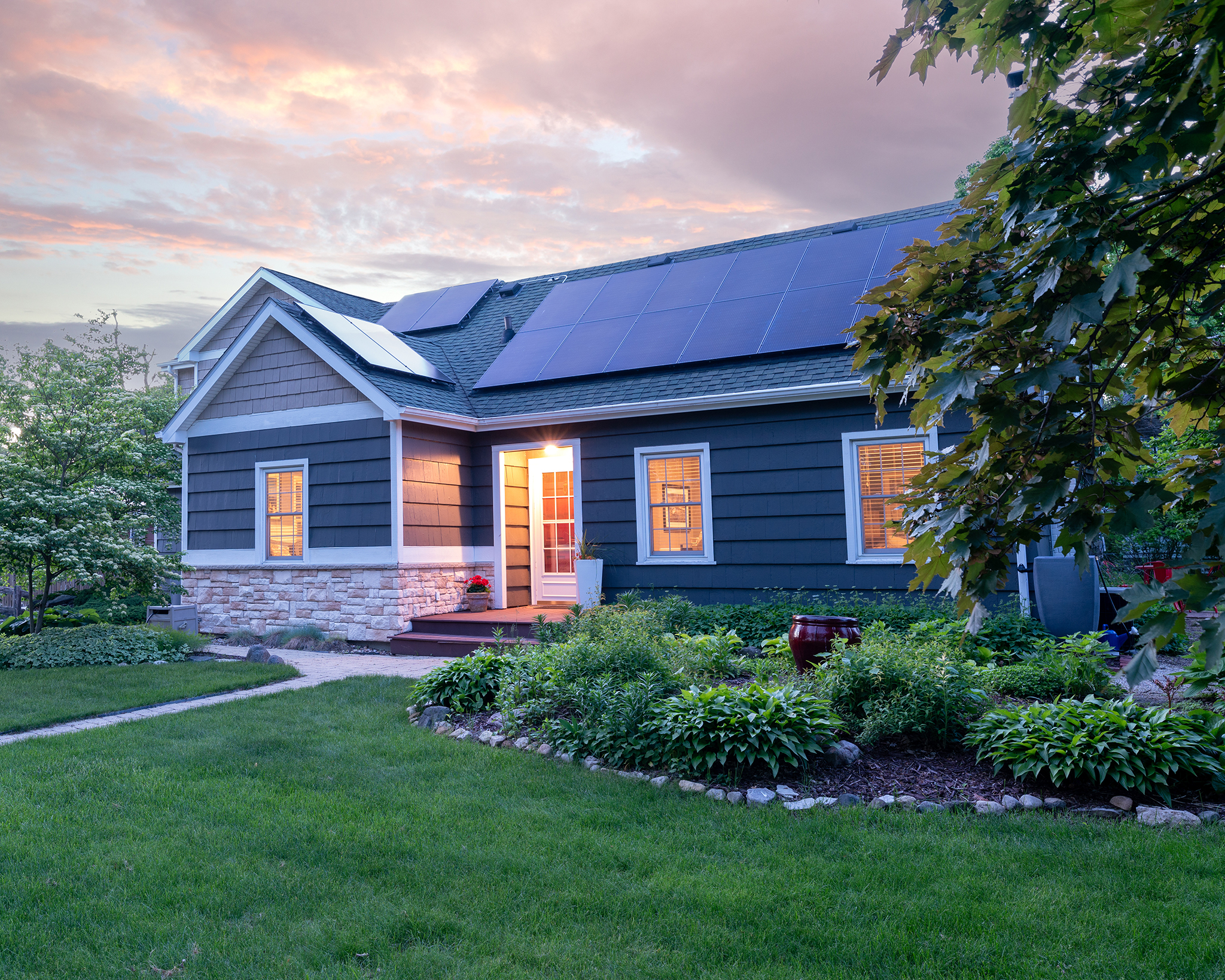
Going solar means more than just putting a few panels on your roof. Much of the work happens before installation day. From evaluating your roof and designing the system to getting permits, passing inspections, and connecting to the grid, here's what you can expect along the way.
Every Project Is Different
How Much Does Solar Cost?
Our average customer spends $15,800 to go solar after incentives. Residential systems can range from several thousand to tens of thousands of dollars, depending on the project. Smaller, straightforward systems may fall near the lower end, while larger systems with complex roofs and battery storage can cost considerably more.
Most homeowners will fall somewhere in between, but a broad range only tells you so much. The actual price depends on the details of the system and the property.
Why the Wide Range?
Factors That Affect Price
1
Roof Design
A simple roof with plenty of open space is usually easier to work on than a large or complicated roof with multiple angles, dormers, or other obstacles. The location of the panels matters, too. A detached garage, for example, may require additional wiring or conduit to connect the system to the home's electrical service.
2
System Size and Battery Storage
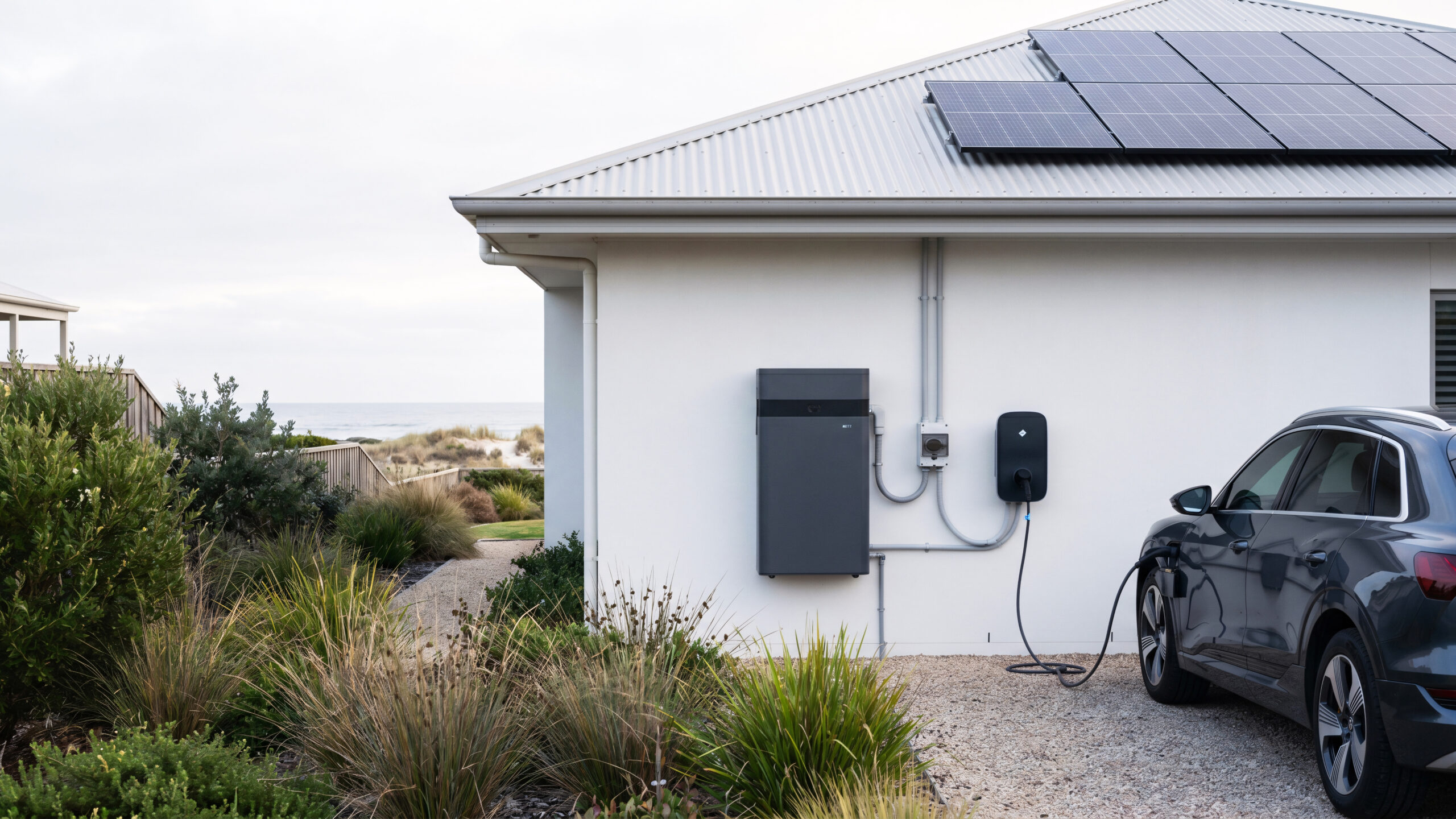
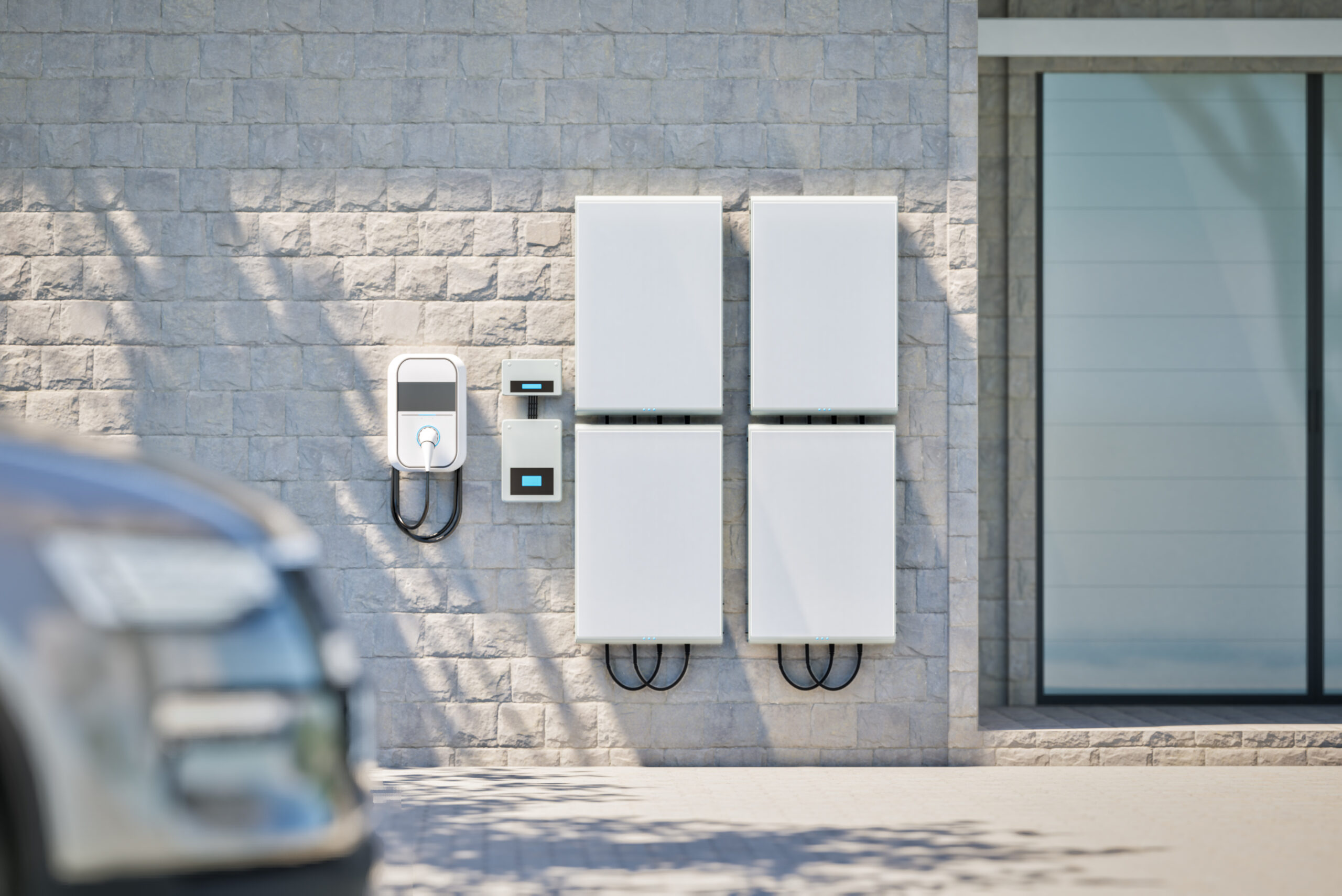
The more electricity you want your system to produce, the more panels and equipment you'll need. Adding battery storage increases the size and cost of the system.
3
How You Pay
Cash, solar loans, and power purchase agreements have different upfront and long-term costs. Compare what you'll pay upfront with the total cost over time.
4
Incentives
Available rebates, tax credits, and other incentives vary by location, utility, and eligibility. A program available to one homeowner may not be available to another.
Support Matters
Is Your Roof Solar-Ready?
Before installation, we evaluate your roof to make sure it’s a good fit for solar, considering its condition, available space, and shading to help determine the right design.
If your roof is nearing the end of its useful life, we’ll discuss your options before moving forward.
What Will the Panels Look Like?
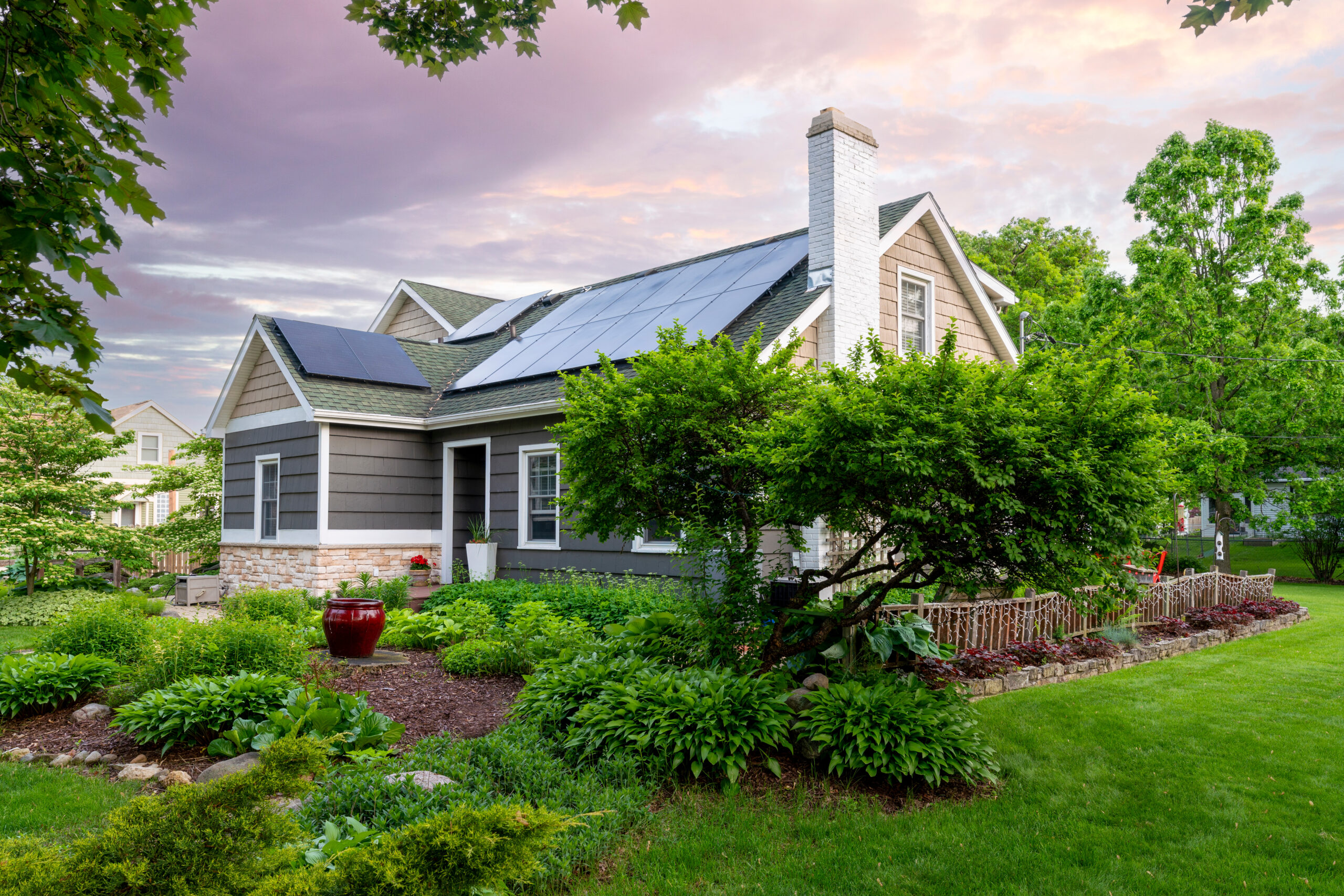
Solar panels are visible, so placement and panel style matter. Smart Wave installs black panels with black frames for a clean, uniform look. The roof's layout, panel arrangement, and mounting choices can also affect how the finished system looks.
From Plans to Panels
The Solar Timeline
The physical installation may take only a day or two, but the full process usually takes longer. System design, permitting, scheduling, inspections, and utility approval all happen before the panels can begin producing power.Your timeline can vary based on:
- System size and complexity
- Roof condition or repairs
- Local permitting requirements
- Utility approval
- Weather and installer scheduling
What to Expect on Installation Day
The crew will install the mounting components, panels, wiring, and other equipment needed to connect the solar array to your home's electrical system. Some equipment, such as the inverter, is typically installed near your meter.
You may not need to be home for the entire installation, but ask ahead of time whether the crew needs access inside and which areas of the property they'll need to reach.
Weather can also affect the schedule. Rain, high winds, or other unsafe conditions may require the crew to pause and return when conditions improve.
The Sun Calls the Shots
How Solar Production Varies
Your panels won't produce the same amount of electricity every day. Production is generally higher with strong sunlight and lower in cloudy, shaded, or otherwise less-than-ideal conditions. Cloudy days don't stop solar production, but they can reduce it.
Solar panels are designed to produce electricity for decades. Their output slowly declines over time; however, a good solar panel will come with a good manufacturer warranty guaranteeing the output for 25-30 years. Your electricity bill can also change from month to month based on solar production, household energy use, utility rates, and other factors.
Solar panels alone generally won't keep your home powered during a grid outage. A battery system designed for backup power is needed for that.
Important Questions You May Not Think to Ask
Have more questions? Find answers to common questions about solar, batteries, installation, and more on our FAQ page.
View All FAQs
When Will My System Start Producing Electricity?
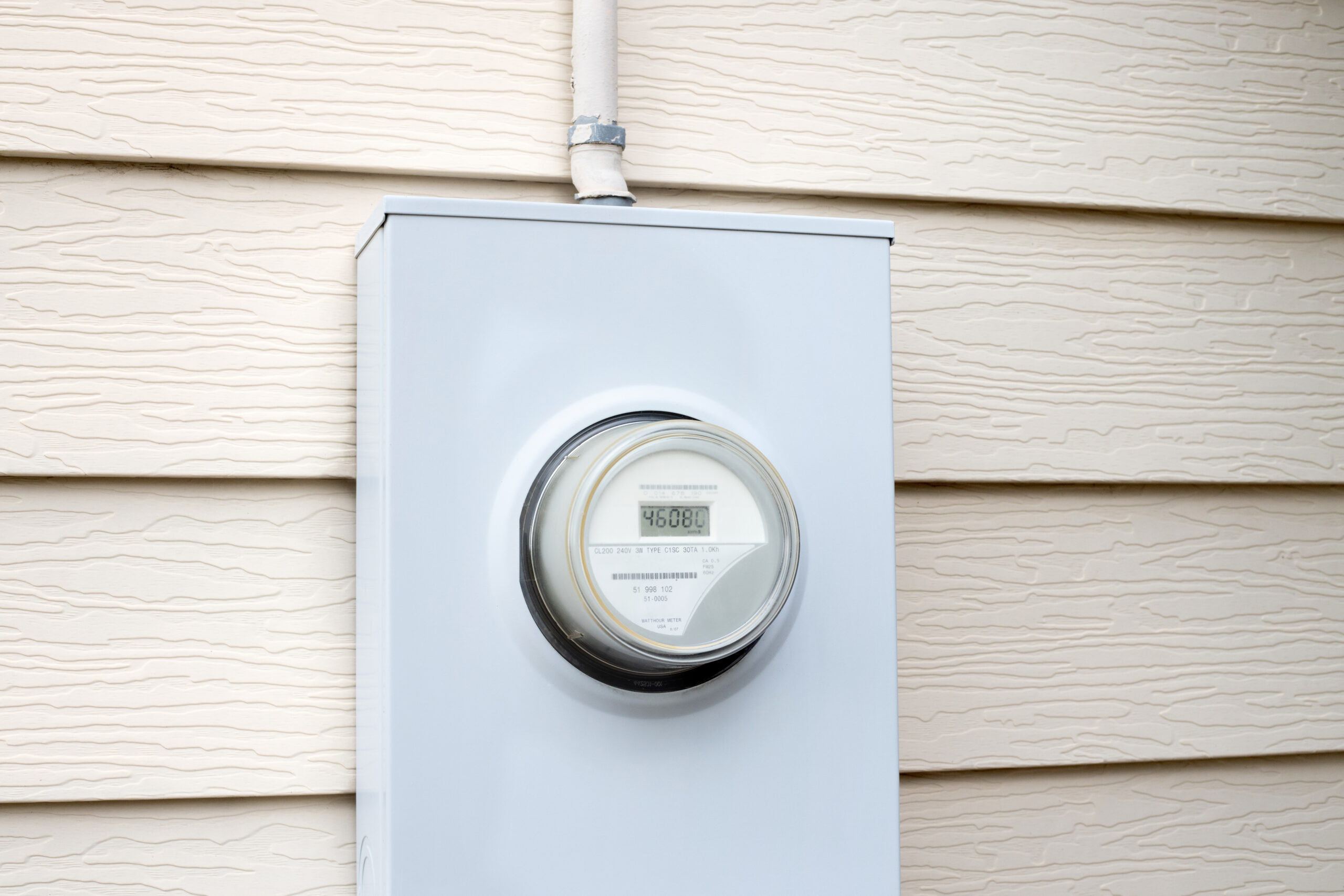
Generally, your system will need to pass required inspections and receive approval to operate and connect to the grid before you can turn it on. However, if your system has a battery, and local regulations permit, you can sometimes turn it on sooner in “no export” mode (which prevents the system from sending power to the grid prior to getting utility approval).
What Happens if I Sell My Home?
An owned solar system is generally the simplest to transfer when you sell your home. If the system has a loan or PPA, the agreement may have additional requirements for transferring it to the buyer.
The equipment warranty typically stays with the equipment, but workmanship coverage comes from the installer and may have different terms. Before you sell, make sure you know what warranties are in place and whether the workmanship warranty transfers to the new owner.
What Ongoing Maintenance Will My Roof and Solar Panels Need?
Solar panels require very little routine maintenance. In most cases, normal rain and weather keep panels sufficiently clean, and homeowners don't need to regularly wash or clear them. Your roof should continue to receive the same normal care and inspection it would without solar. If an issue ever does arise, Smart Wave Solar is here to help.
Let’s Talk Solar
What can a solar installation do for your home? Whether you’re ready to make the switch or just exploring your options, we’re here to answer your questions.