

Salt Lake City skyline with the Utah State Capitol and mountains

Aurora, Colorado

Aurora Solar Installation Is on the Rise

Once a small suburb near Denver, Aurora has grown into Colorado’s third-largest city, home to a culturally diverse and forward-thinking population. With a local government committed to becoming a smart city and embracing sustainable technologies, Aurora solar installations are a growing trend.

Blue house with rooftop solar panels at dusk

How Much Can You Save With Solar?

Spearheading this green revolution is Smart Wave Solar. We’re committed to helping Aurora’s residents lower their energy bills and carbon footprint with customized solutions that meet their needs.

Older couple reviewing paperwork at a table

Save Money on Electricity with a Solar Installation

Aurora homeowners can expect to save $25,500 to $33,000 on electricity bills over the estimated 25-year lifespan of their solar energy system. However, your savings could be even greater if energy costs go up significantly.

The average home needs 20 to 25 solar panels to meet its energy needs, but installation costs can be steep. The good news is that the Federal Solar Tax Credit offers up to a 30% rebate, and state incentives can further lower the initial installation costs, increasing your overall savings.

Moreover, net metering lets you link your solar panels to the public-utility power grid. When you generate more energy than you need, you can send the surplus back to the grid. In return, you earn credits that can offset your future energy bills, turning your solar setup into a savvy, money-saving powerhouse.

Increase Your Home’s Equity

More and more house hunters are looking for sustainable features like solar panels. The growing demand means that adding solar panels to your Aurora home can boost its equity.

Zillow reports that homes with solar-energy systems sell for an average of 4.1% more than those without. In fact, 80% of homebuyers prioritize energy efficiency.

Given all the financial perks of going solar in Aurora, it’s no wonder residents are making the switch.

Home with its lights on at dusk

Backup Battery

Colorado gets about 300 days of sunshine annually—more than Florida, the nation’s “Sunshine State.” The abundant sunshine makes a solar energy system a smart investment in Aurora. Nonetheless, there will be days when the sun doesn’t shine brightly, and having a backup battery could come in handy.

With a backup battery, you won’t have to fret about losing power on gloomy days. You’ll always have a reliable and independent energy source at home. Moreover, you can tap into the battery’s stored energy during peak pricing periods, further driving down utility costs.

Backup batteries are also portable, allowing you to take them wherever you need power without a grid connection.

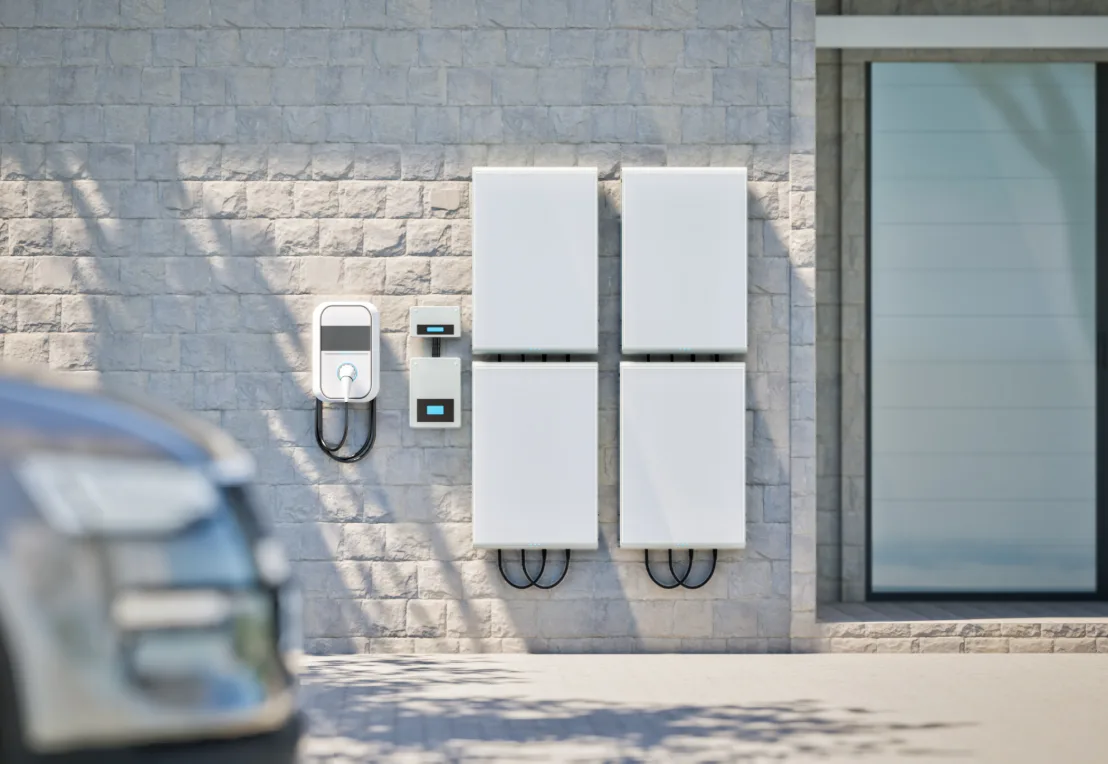
Two home battery units mounted on an exterior brick wall

Emergency Backup System

A backup battery is a good idea for supplementing your solar power supply, but what would you do if you had a power outage? With an emergency backup system, you’re never left in the dark. It keeps your home lit and running smoothly, even when the grid goes down.

An emergency backup system doesn’t just keep the lights on; it allows you to run essential appliances or medical devices for up to several days. It’s essentially a safety net that provides uninterrupted power and peace of mind.

Cities We Serve in Colorado

Frequently Asked Questions

Have more questions? Find answers to more common questions about solar, batteries, installation, and more on our FAQ page.

View All FAQs

How do I know if my home is a good fit for solar?

Our team evaluates factors like roof condition, sun exposure, energy usage, and long-term goals to determine whether solar makes sense for your property. Every recommendation is tailored to your property and energy needs.

How much can I save with solar?

Savings vary based on your energy usage, system size, and local utility rates, but many homeowners see meaningful long-term reductions in electricity costs after switching to solar.

Will I still have power during an outage?

Standard solar systems typically shut off during outages for safety reasons and building code requirements. Adding battery storage can help keep essential appliances and devices powered when the grid goes down.