
Your Rooftop Power Plant
How Solar Works
You probably know the basics: solar panels use sunlight to generate electricity. But what is actually happening? How does that power get from your roof to your outlets, and what happens when your panels produce more electricity than your home needs?

From 93,000,000 Miles Away
What Is Solar Energy?
Solar energy is simply energy from the sun. Solar panels capture that energy and turn it into electricity your home can use. From there, your system sends that electricity where it needs to go, whether that's powering your home, charging a battery, or flowing back to the grid.
Panels Are Just the Start
The Parts of a Solar System
A residential solar system has a few key components. Each has a specific job, and they all work together to turn sunlight into usable power.
1
Solar Panels
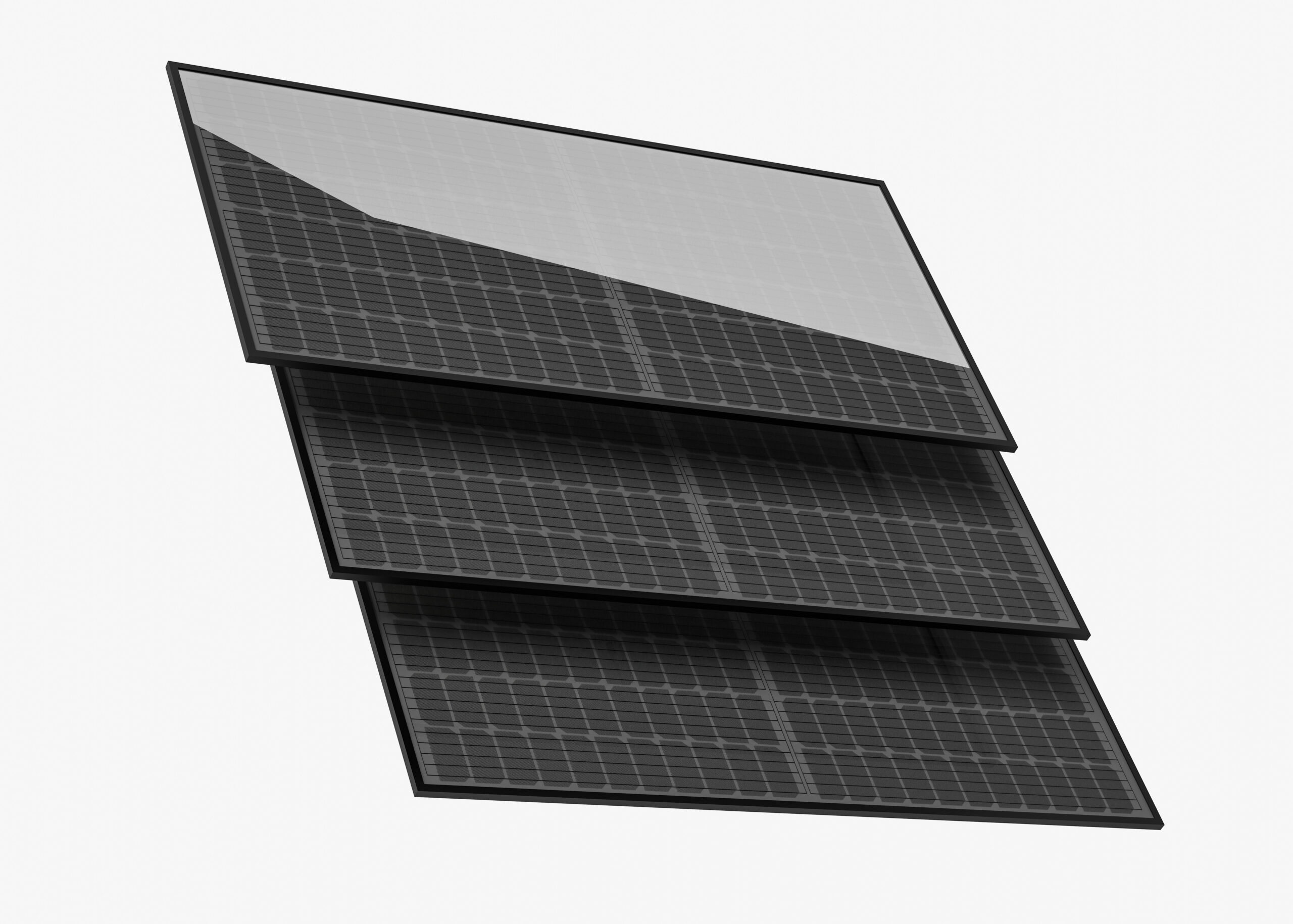
Solar panels capture sunlight and turn it into direct current (DC) electricity. They're made up of photovoltaic cells that generate electricity when sunlight hits them.
2
Inverter
Your home runs on alternating current (AC), not the DC electricity produced by your panels. The inverter converts that power into electricity your home can use and helps manage where it goes.
3
Mounting System
The mounting system secures your panels to the roof and keeps them positioned to capture sunlight. The roof's design, available space, and local requirements all factor into how your panels are mounted.
4
Battery
A battery stores excess solar energy so you can use it later. It can also provide backup power when the grid goes down. Tesla Powerwall 3 is one example of a home battery system.
Sunlight In, Electricity Out
How a Solar System Powers Your Home
The basic process is easier to understand than it might sound.
Want to dig deeper? Our Solar & Battery Guide covers the process in more detail.
1
Sunlight Hits the Panels
The photovoltaic cells in your panels absorb energy from the sun.
2
The Cells Generate Electricity
The absorbed energy stimulates the movement of electrons, creating DC electricity.
3
The Inverter Converts the Power
The inverter converts that DC electricity into AC electricity your home can use.
4
Your Home Uses the Power
The electricity moves through your home's electrical system to power your lights, appliances, electronics, and other devices.
Nothing Goes to Waste
What Is Net Metering?
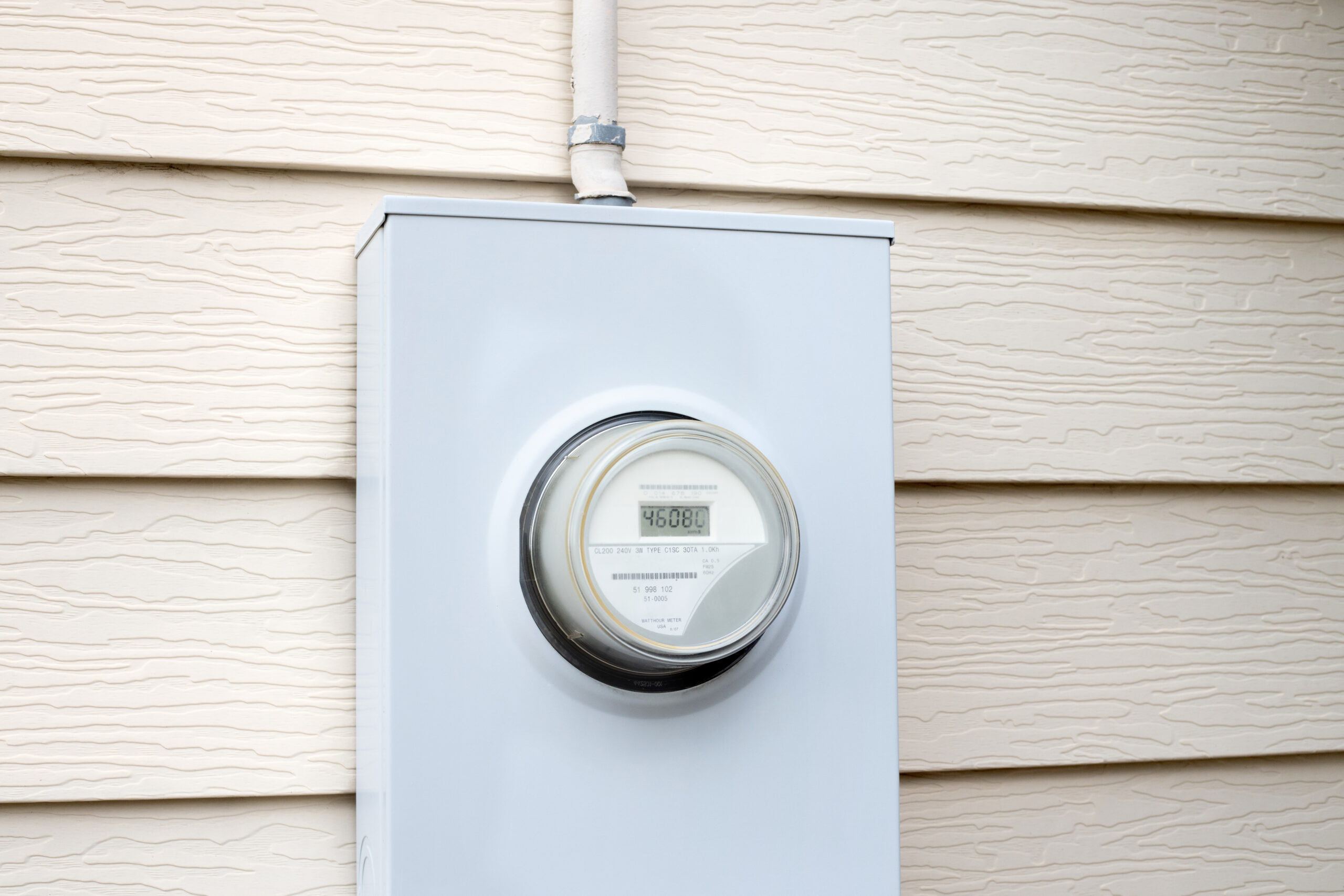
Your solar panels won't always produce exactly as much electricity as your home needs. When they produce more, that extra power can flow back to the grid. Net metering is a way utilities can credit you for some or all of the power your system sends back.
The details vary by utility and location. Some programs credit exported electricity at or near the retail rate, while others use different credit rates or compensation structures. That's why your utility's rules are an important part of designing a solar system.
Thinking about battery storage? Learn more about Smart Wave's Battery Storage solutions.
FAQs
Have more questions? Find answers to common questions about solar, batteries, installation, and more on our FAQ page.
View All FAQs
How Do Solar Panels Work?
Solar panels use photovoltaic cells to turn sunlight into DC electricity. An inverter converts that electricity into AC power your home can use.
How Long Do Solar Panels Last?
Solar panels are designed to produce electricity for decades. Most come with manufacturer warranties covering 25 to 30 years.
Is Solar Worth It?
There's no one-size-fits-all answer; however, when you look at the cost of staying with the power company compared to the cost of solar, many homeowners see a significant amount of potential savings. It depends on your electricity use, utility rates, home, system design, and available incentives.
Will Solar Save Me Money?
Solar can reduce the amount of electricity you need to buy from the grid. How much you save depends on how much power your system produces, how much your home uses, and your utility's rates and policies.
Let’s Talk Solar
What can a solar installation do for your home? Whether you’re ready to make the switch or just exploring your options, we’re here to answer your questions.