
What You Need to Know
How Solar + Battery Storage Systems Work Together
A solar power backup storage system is made up of a few parts: solar panels, an inverter, a battery, electrical equipment, and energy management controls. Each plays an important role, and they all need to work together properly for the system to perform as it should.
Smart Wave Solar has installed more than 3,000 home batteries and earned Tesla Premier Certified Installer status, a distinction held by only a small percentage of Tesla Certified Installers. That experience matters: home battery backup systems are more complex to design and install than solar panels alone.
In this guide, we'll briefly cover the main components that make up the best solar battery backup systems. We'll cover how they work, what they cost, some of the leading options available today, and what to consider when choosing one for your home.
Every Part Plays a Role
Solar Battery Backup System Components
A solar power storage system includes several components:
1
Solar Panels
Produce electricity from sunlight.
2
Battery
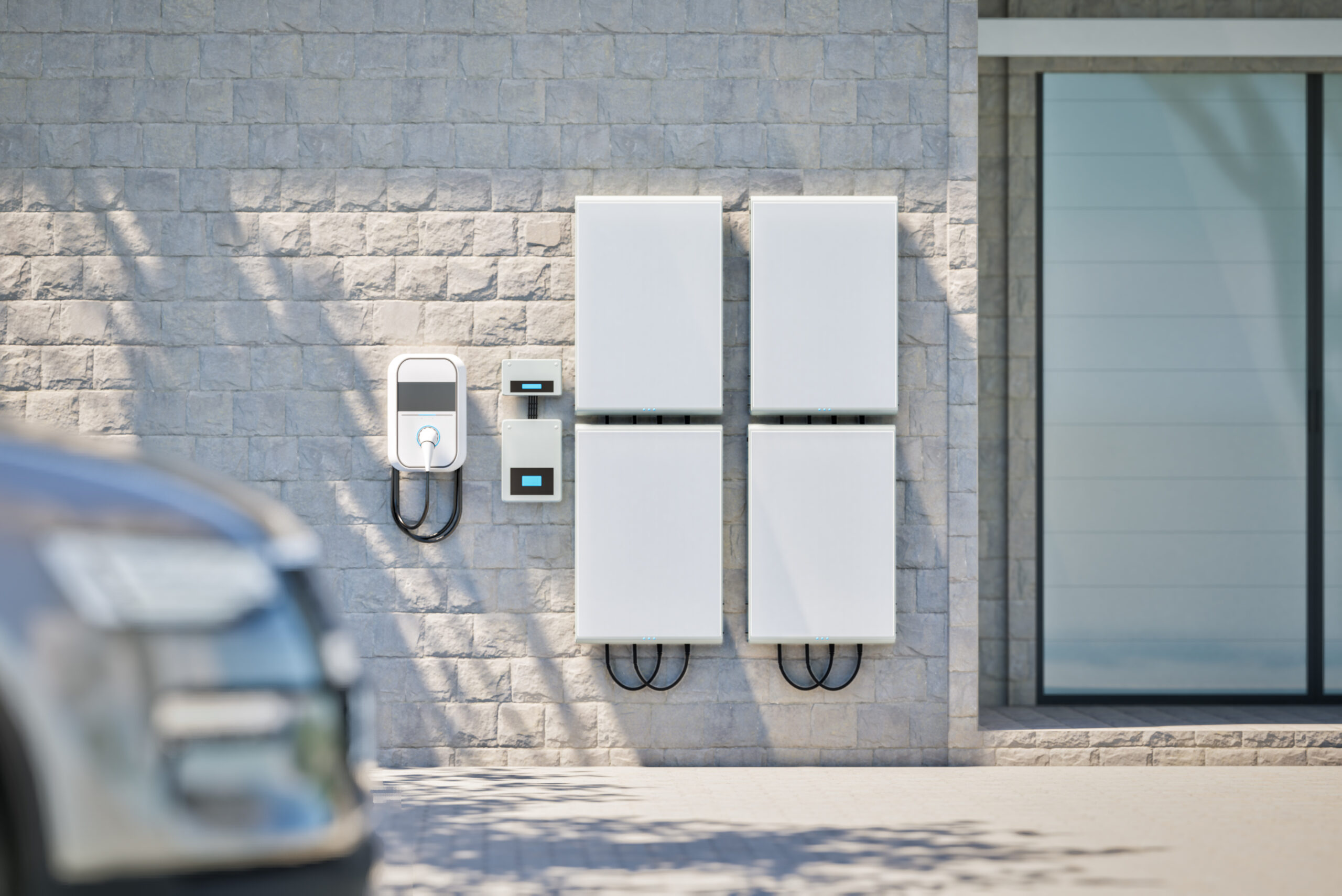
Stores that electricity for later use. Capacity is measured in kilowatt-hours (kWh), while power output is measured in kilowatts (kW). Both matter when sizing a system.
3
Inverter
Converts and manages electricity so your solar, battery, home, and the grid can work together. Some modern batteries have the inverter built in.
4
Energy Management System
Controls when the system charges, discharges, uses solar, or draws power from the grid.
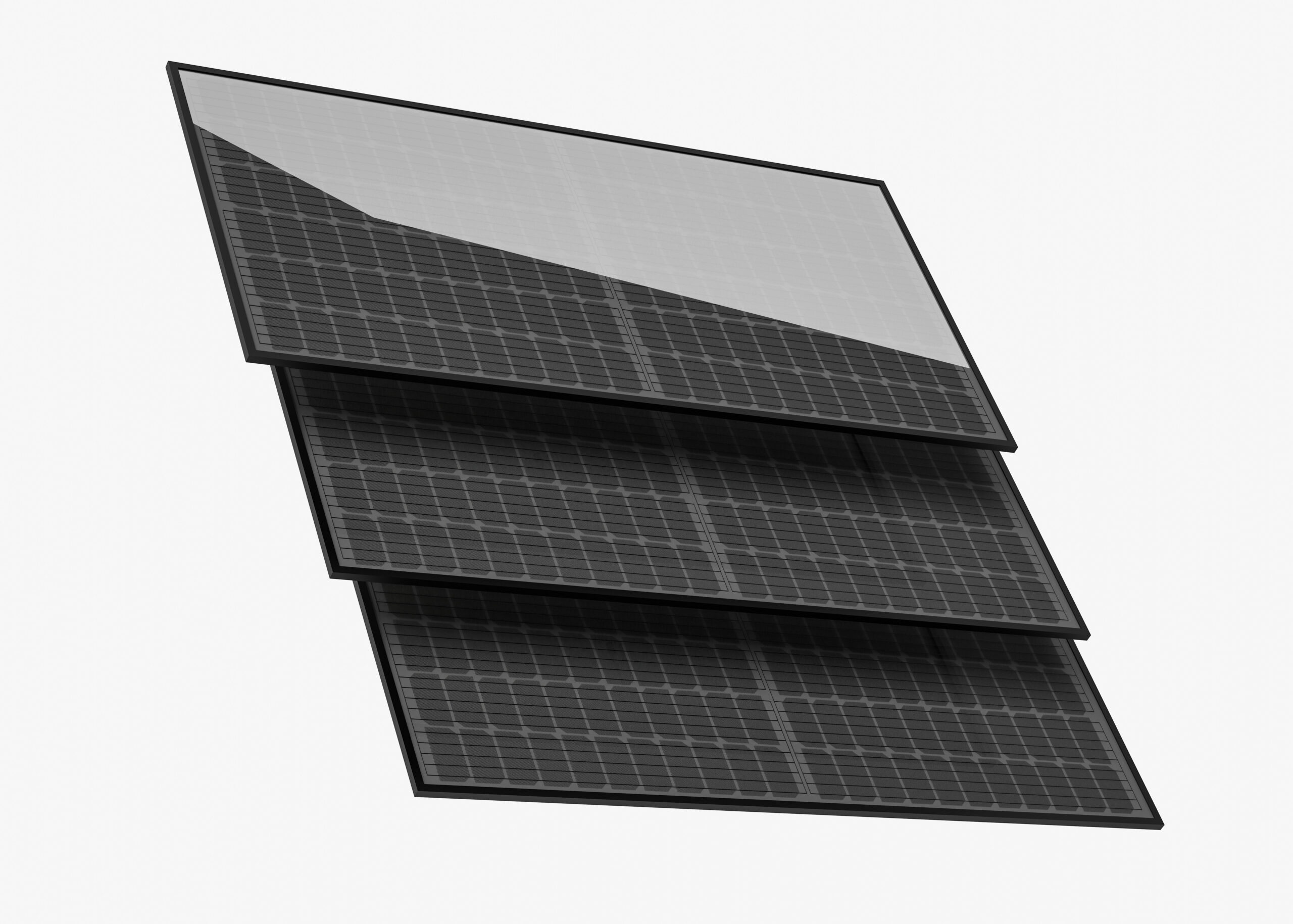
The exact equipment depends on the system. Some batteries, for example, are designed to work especially well with certain inverter or microinverter systems. That's why compatibility matters as much as the battery's specs.

Keep the Lights On After Sunset
Why Solar Batteries Matter
Solar panels produce energy during the day, but your home may use the majority of that electricity later. A battery lets you store excess solar energy and use it when you need it.
That's especially useful as utility programs and electricity rates change. In many areas, excess solar is credited at less than the retail electricity rate, while time-of-use rates can make electricity more expensive during certain hours. Stored energy can help you avoid relying on the grid during those higher-cost periods.
Batteries can also provide backup power during outages. Depending on the system, you can keep essential circuits running, back up your entire home, or land somewhere in between.
The goal isn't the biggest battery. It's enough storage and power for what you actually need.
Storage that Stands Out
Best Solar Batteries in 2026
The right battery depends on your existing solar equipment, backup needs, available space, and how much power your home uses.
Here are four leading options to know in 2026:
1
Tesla Powerwall 3
Best overall
Powerwall 3 offers 13.5 kWh of usable capacity and 11.5 kW of continuous power, with an integrated inverter. It's a strong all-around choice for homeowners looking for high power output and whole-home backup.
2
Enphase IQ Battery 10C
Best for Enphase solar systems
The IQ Battery 10C provides 10 kWh of usable capacity and 7.08 kW of continuous power. Its integrated microinverters make it a natural fit for homes using Enphase equipment.
3
FranklinWH aPower 2
Best for highest amount of storage per battery
The aPower 2 stands out for its 15 kWh of usable storage per unit and up to 10 kW of continuous power. It’s worth considering if maximizing storage in each battery is a priority.
4
SolarEdge Home Battery
Best for SolarEdge systems
SolarEdge's battery is designed to work closely with its inverter architecture, making it a strong fit for homeowners who already have a SolarEdge solar system or plan to install one.
Save It for Later
How Solar Batteries Work
During the day, your solar panels produce electricity. Your home uses what it needs first, and excess energy can charge the battery.
When solar production drops, the battery can send stored energy to your home. Depending on your utility rates and system settings, that can also help you avoid using more expensive grid power during certain hours.
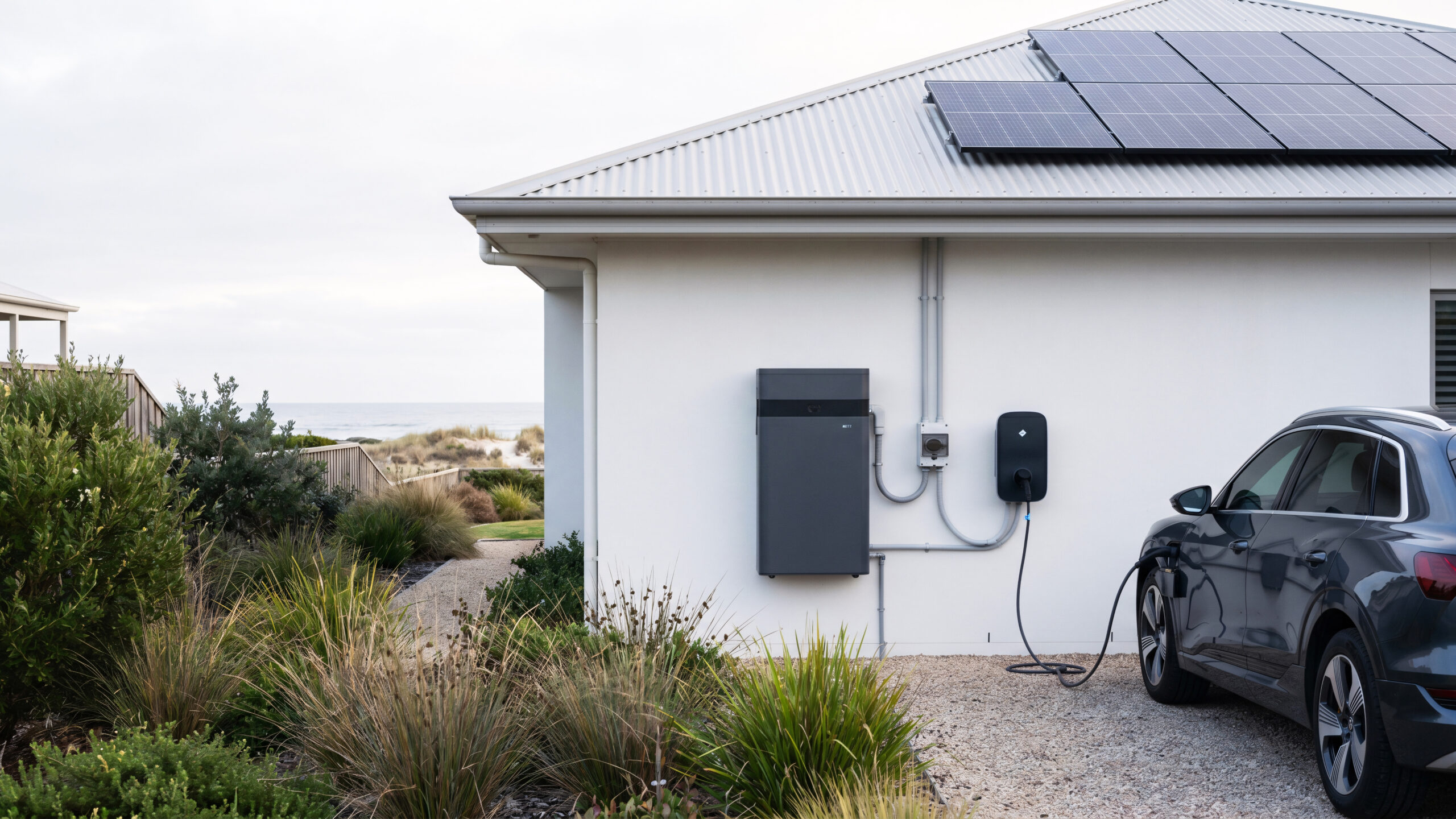
If the grid goes down, the system switches to backup power. How much of your home stays powered depends on your battery capacity, power output, and the circuits included in your backup setup. Most of our battery installs back up all the circuits in the home.
One distinction is particularly important:
kWh = how much energy the battery stores.
kW = how much power it can deliver at once.
A battery might have plenty of stored energy but still be unable to run several high-demand appliances simultaneously if its power output is too low. You can stack batteries to increase storage and output to whatever level you desire.
How It Adds Up
Solar Battery Pricing
Battery pricing varies based on capacity, equipment, installation, electrical work, and system design.
You can get a 13.5 kWh battery installed by Smart Wave Solar starting at $8,750 when bundled with solar. Many utilities also have rebate programs that can further reduce the cost of your battery by a few thousand dollars or more.
Make Every Kilowatt Count
Battery Management Systems
A solar battery system has controls that determine when energy is stored, when it's used, and when your home draws power from the grid. Those controls can help you make better use of your solar energy, manage electricity costs, and keep backup power available when you need it.
Two types of controls are involved:
Energy Management System (EMS): Manages how energy moves between your solar panels, battery, home, and the grid. It can respond to solar production, home energy use, utility rates, and your backup settings.
Battery Management System (BMS): Monitors the battery itself, including temperature and cell voltage, to help keep it operating safely.
For homeowners, the important thing isn't knowing how these systems work in detail. It's making sure your battery, solar equipment, and energy controls are compatible and properly configured for your home.
Solar Battery FAQs
Have more questions? Find answers to common questions about solar, batteries, installation, and more on our FAQ page.
View All FAQs
How Much Battery Storage Does My Home Need?
That depends on your energy use, the appliances you want to back up, how long you want backup power to last, and how much solar your system produces.
A home looking for basic emergency backup will have different needs than one looking for whole-home backup.
How Does Battery Storage Impact Savings and Incentives?
A battery can help you use more of your own solar energy and shift electricity use away from higher-cost periods. Your potential savings depend on your utility, rate structure, system design, and how you use the battery.
Incentives and utility programs vary by location and can change, so current local rules matter.
Where Will My Battery Be Placed?
The latest technology often allows batteries to be installed outside, next to your electrical panel, which has become quite popular. Inside the garage is the next most common location, but some are even installed inside the home. The exact location depends on the equipment and site. Your installer will need to account for clearances, temperature, accessibility, local requirements, and the location of your electrical equipment.
A Quick Note From Smart Wave
Understanding how battery storage works is a good start. Designing a system that fits your home and energy needs takes experience. Smart Wave Solar has installed thousands of home batteries from more than a dozen manufacturers. That experience helps us recommend equipment that fits your needs, size your system appropriately, and handle the installation correctly from start to finish.