
What Can the Sun Do for You?
The Benefits of Going Solar
You need electricity every day. By generating your own power with solar, you can take control of your energy costs and reduce your dependence on the grid.
More Than a Lower Power Bill
The Case for Solar
Solar can change more than your monthly electricity bill. It can affect how much future rate changes impact your budget, the potential for severe storms to disrupt your power supply, and the value of your property. The results depend on your utility, your energy use, and how your system is designed.
1
Lower Your Electricity Costs
Every kilowatt-hour your solar system produces is one less kilowatt-hour you need to buy from the grid. The amount you save depends on how much energy your system produces, how much your home uses, and your utility's rates and policies.
2
Make Energy Costs More Predictable
Utility rates can change over time. Generating some of your own electricity can make your energy budget less dependent on future rate increases.
3
Prepare for Power Outages
Solar panels alone won't necessarily keep your home powered when the grid goes down. Paired with battery storage, solar can provide backup power for essential loads and add another layer of resilience to your home.
4
Add Value to Your Home
A solar system can add value to a property, particularly when the system is owned rather than leased. Research has found that buyers have paid more for homes with owned solar, although the amount varies by market, system size, age, and other factors.


Another Kind of Return
The Environmental Benefits of Solar
Solar generates electricity without burning fuel at the point of generation. When solar replaces electricity that would otherwise come from fossil-fueled power plants, it can reduce greenhouse gas emissions and other air pollutants.
One home won't transform the local air quality on its own. But as more homes generate their own electricity, the combined effect can reduce the amount of fossil fuel needed to meet demand.
More Than One Way to Pay
Solar Financing Options
Solar systems can be purchased or financed in several ways. The best fit depends on your finances, how long you plan to stay in your home, and whether you want to own the system yourself.
Explore Solar Financing
1
Cash
Pay for the system upfront and own it outright. You'll avoid loan interest and monthly financing payments, but you'll need to make the full investment upfront.
2
Solar Loan
Finance the system and make payments over time while owning the equipment. Your total cost depends on the loan amount, interest rate, fees, and repayment terms.
3
Power Purchase Agreement
With a PPA, a third party owns the solar system and sells you the electricity it produces at an agreed-upon rate. You don't own the equipment, so it's important to understand the contract, pricing, and other terms.
Same Sun, Different Homes
Factors That Shape Solar Design
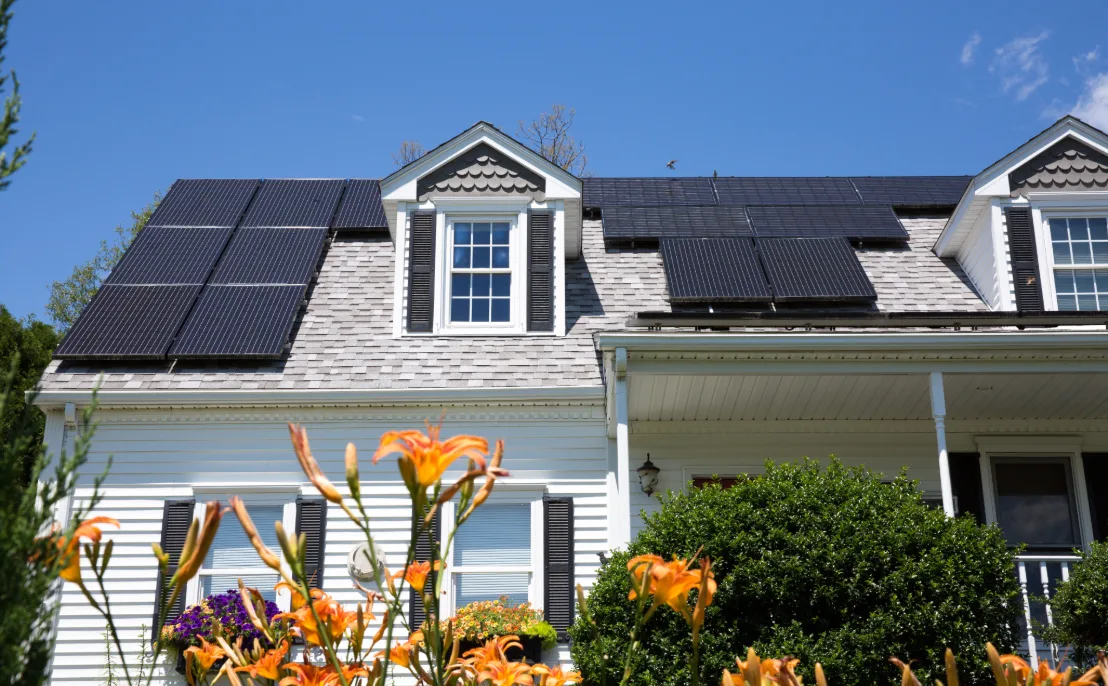
Sun exposure, roof orientation, shade, climate, electricity rates, utility rules, and available incentives can all affect how much energy a system produces and the value it provides.
That's why two homes with similar roofs can have very different solar opportunities. A good system starts with the home, the local utility, and how the household uses energy.

Rocky Mountain Sunshine
Going Solar in Colorado
Colorado gets plenty of sunshine, but the state's solar equation involves more than sunlight. Utility rates, local programs, home design, and how much electricity a household uses can all affect the value of a solar system.
Explore Solar in Colorado
High-Desert Sunshine
Going Solar in Utah
Utah's abundant sunshine gives homeowners a strong solar resource, but the economics depend on more than how much sun reaches the roof. Utility rates, compensation for excess solar, incentives, home design, and energy use all play a role.
Explore Solar in Utah
Prairie State Sunshine
Going Solar in Illinois
Illinois has plenty of solar potential, but the value of going solar depends on more than how much sun reaches your roof. Utility rates, compensation for excess solar, state incentives, home design, and energy use all play a role. Illinois Shines also provides incentives for eligible solar projects, while utility rules determine how excess electricity is credited to your bill.
Explore Solar in IllinoisSolar FAQs
Have more questions? Find answers to common questions about solar, batteries, installation, and more on our FAQ page.
View All FAQs
What Are the Disadvantages of Going Solar?
Solar isn't right for every home. Upfront costs, financing terms, roof condition, shade, utility rates, and local rules can all affect whether solar makes sense.
Is Solar Worth It if My Home Is Off the Grid?
It can be, but an off-grid system works differently from a typical grid-connected system. Without the utility as a backup, you'll need enough solar and battery storage to meet your home's energy needs through changing weather and usage.
How Has Solar Technology and ROI Changed Over the Years?
Solar technology, system design, financing, battery storage, installation costs, utility rates, and market conditions have all changed over time. A system that made sense 10 years ago might look very different today, so old rules of thumb don't always apply.
Let’s Talk Solar
What can a solar installation do for your home? Whether you’re ready to make the switch or just exploring your options, we’re here to answer your questions.