

Salt Lake City skyline with the Utah State Capitol and mountains

Park City, Utah

Upgrading to Solar in Park City

Park City is a small town in Utah with just over 8,000 residents. Though it’s small in population, it’s big in breathtaking geography. One of the first things you’ll notice when visiting Park City is the surrounding Wasatch Mountains. You’ll find world-class ski resorts that draw skiers and winter sports enthusiasts from around the world. You can also explore the famous Park City Rail Trail that beckons hikers and cyclists in the summer.

Blue house with rooftop solar panels at dusk

How Much Can You Save With Solar?

But it’s not just outdoor pursuits that define this community. Residents are increasingly going solar in Park City, powering their homes with the sun.

Smart Wave Solar is proud to be at the forefront of this transition, introducing Utah residents to a more cost-effective energy source that also helps to preserve the area’s natural beauty.

Older couple reviewing paperwork at a table

Park City Solar Savings

A solar panel installation can save you a lot of money! While you will have to make a significant upfront investment, the savings over the 20- to 30-year life span of your solar energy system is well worth it.

What’s more, state and federal incentives offset the initial cost of the panels significantly, making them more affordable to homeowners in Utah. With this in mind, there has never been a better time to go solar in Park City.

Increase Your Home’s Equity

Want to raise equity in your home? You can do that with a solar panel installation. The panels on your roof make your home look more technologically advanced and raise it’s value. They’re a symbol of sustainability, which is a highly sought-after quality many homebuyers are willing to pay more for.

If you decide to sell your property, you can fetch a better price than comparable homes without solar panels—yet another reason to go solar.

Home with its lights on at dusk

Backup Battery

While Park City residents experience ample sunny days each year to support a solar panel system, a backup battery installation is still a good idea. Here’s why:

  • Your backup battery gives you uninterrupted power during grid outages or cloudy days, boosting energy independence.
  • A backup battery stores excess energy you can use during peak pricing hours, helping to lower your utility bill.
  • It makes your Park City solar installation resilient, guaranteeing continuous energy and peace of mind.
  • You can use your backup battery in a portable situation, like a camping trip or to power portable medical devices.

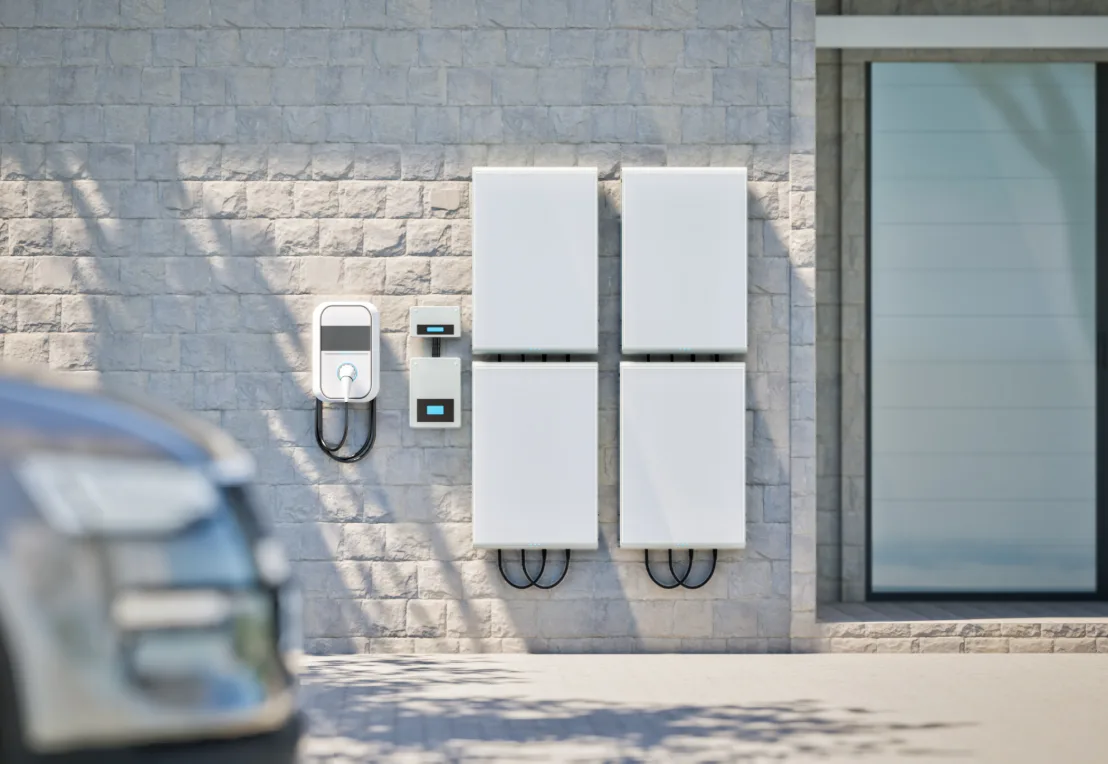
Two home battery units mounted on an exterior brick wall

Emergency Backup System

What happens when there’s little or no sunlight to power your solar panels, like at night or during a power outage?

During those times, an emergency backup system can be invaluable. It stores all that extra solar energy you’ve generated during the sunny hours. When you need power at night or during emergencies, it serves as an extra supply of energy. With an emergency backup system, you can keep your lights on, your fridge running, and your gadgets charged.

Cities We Serve in Utah

Frequently Asked Questions

Have more questions? Find answers to more common questions about solar, batteries, installation, and more on our FAQ page.

View All FAQs

How do I know if my home is a good fit for solar?

Our team evaluates factors like roof condition, sun exposure, energy usage, and long-term goals to determine whether solar makes sense for your property. Every recommendation is tailored to your property and energy needs.

How much can I save with solar?

Savings vary based on your energy usage, system size, and local utility rates, but many homeowners see meaningful long-term reductions in electricity costs after switching to solar.

Will I still have power during an outage?

Standard solar systems typically shut off during outages for safety reasons and building code requirements. Adding battery storage can help keep essential appliances and devices powered when the grid goes down.